

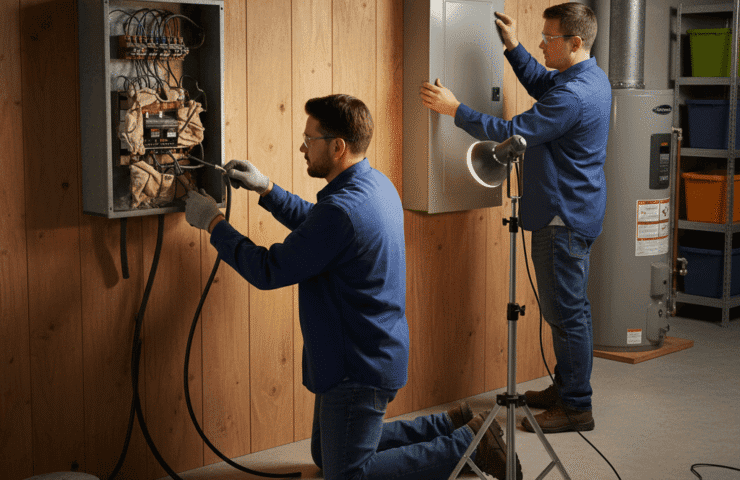
Upgrading An Outdated Electrical Panel
If your breakers trip frequently or your home still uses a fuse box, your electrical panel might be due for an update. An outdated electrical panel can limit what you run in the house, create safety hazards, and make insurance or resale more complicated. This article walks through clear signs to watch for, how professionals evaluate panels, budgeting tips, and steps to take when planning an upgrade.
My goal is to offer practical advice you can use whether you are planning a full panel swap or want to make informed questions when hiring a technician. I include examples, typical costs, and common issues that surface during replacements so you can move forward with confidence.
Why an outdated electrical panel is a safety concern
An older panel can present several hazards that affect daily living and property value. Panels that were built decades ago were not designed for the number of devices homes use now. The most common risks include overheating, loose connections, and obsolete components that no longer meet current electrical codes.
- Overheating leads to melting insulation and increased fire risk.
- Loose connections cause arcing which can ignite surrounding materials.
- Obsolete parts such as certain fuse blocks or old 60 amp service may not support modern loads safely.
Statistics from safety organizations show that electrical failures are a leading cause of residential fires. Updating a panel reduces those risks and helps bring the system into compliance with present standards.
Common signs your panel needs replacement
Not all issues scream for immediate action, but some signs should prompt a quick inspection. Look for these symptoms:
- Frequent breaker trips during normal appliance use
- Rust, corrosion, or water stains around the panel
- Buzzing or crackling sounds when breakers switch
- Warm or hot panel cover
- Use of multiple extension cords or power strips to run major appliances
If you spot more than one of these, the chance that the panel is undersized or failing rises considerably. For example, a household that adds a range, a hot tub, and multiple home office devices over time may outgrow a 60 amp panel quickly.
How professionals evaluate an electrical panel
When an electrician inspects a panel, they look beyond the visible signs. A thorough evaluation includes:
- Checking service amperage and main breaker size
- Inspecting wiring methods and looking for double tapped breakers
- Testing ground and neutral connections for correct bonding
- Verifying that breakers match wire gauges and load calculations
Common panel types and their limitations
Older panels made by certain manufacturers or those that use fuses have known failure modes. For instance, fuse-to-breaker conversions are common upgrades because replacement fuses are less forgiving and often sized incorrectly by homeowners.
What an inspector records
Expect a written summary that lists panel age, main breaker rating, number of available circuits, and any code violations. This helps you weigh the options between repair, circuit addition, or full replacement.
Costs and budgeting for a panel upgrade
Replacement cost varies by service size, accessibility, region, and required permit work. Typical ranges include:
- 100 amp panel replacement from $1,000 to $2,500
- 200 amp panel replacement from $1,800 to $4,000
- Upgrades that include meter base or service conductor changes can add $500 to $2,500
Factors that can raise the price include asbestos or lead paint remediation, long conduit runs, or the need to relocate the panel. A clear estimate should itemize labor, parts, permit fees, and any required inspection charges. Ask for a timeline too, since weekends, holidays, or busy seasons can extend the project length.
Permits and timeline for a safe replacement
Most jurisdictions require a permit for panel replacement and a final inspection. Typical steps are:
- Permit application and fee
- Scheduling the electrician for removal and installation
- Inspection by local electrical authority after work is complete
From permitting to sign off the process can take from a few days to several weeks. Tight scheduling happens when inspection availability is limited. Plan appliance downtime and any business needs around power outages that will occur during the swap.
Benefits of upgrading an older panel
A modern panel delivers several tangible benefits that affect safety, convenience, and long term value.
- Increased capacity to run air conditioning, EV chargers, and workshop equipment
- Improved safety with arc fault and ground fault breakers that reduce fire and electrocution risk
- Better reliability so circuits do not constantly trip causing interruptions
- Higher resale value since potential buyers see an updated electrical system as an asset
Example: A homeowner who upgraded from 60 amp service to 200 amps was able to add a heat pump and dedicated EV circuit without adding subpanels or constant tripping. The change made daily life easier and reduced the need for extension cords and temporary fixes.
DIY versus hiring a licensed electrician
Working on a main service panel is dangerous and often illegal for unlicensed individuals. A few key points to weigh:
- Permits and inspections usually require a licensed electrician to sign off
- Incorrect connections can cause fires or damage expensive appliances
- Hiring a professional reduces the chance of costly mistakes that appear later on an insurance claim
Small tasks like replacing a dimmer or an outlet can be DIY for someone with basic knowledge. Replacing the main panel, relocating the meter, or changing service amperage should be left to a person with training and proper certification.
How to choose the right electrical contractor
Pick a contractor who provides clear, written estimates, pulls required permits, and carries liability insurance and worker coverage. Look for these markers of a reliable trade partner:
- Local licensing and membership in regional trade organizations
- Willingness to explain the work steps and materials in plain language
- References or project photos from similar upgrades
When you ask for bids, compare not only price but also the scope of work. A low price that omits permits or uses substandard parts will cost more over time. If you would like a contractor recommendation for an outdated electrical panel upgrade, contact the linked service page to learn about local options and certified technicians.
Preparing your home for the upgrade
Make the installation simpler by clearing the area around the panel, labeling circuits beforehand, and arranging a plan for sensitive electronics. Back up computers and plan to unplug appliances the day of the service. If you have medical equipment that requires power, discuss alternatives with the contractor before scheduling.
- Label critical circuits and note special needs
- Identify a safe place to store perishable food if refrigeration will be offline
- Arrange pet care if loud work will disturb animals
Common questions homeowners ask
Here are direct answers to frequent concerns.
- How long will the swap take Most panel replacements take one to two days depending on complexity.
- Will the power be off Yes during the main swap. Plan accordingly for outages.
- Do I need to be present It helps to be available for questions, but you can arrange access for the crew if needed.
Upgrading a panel is an investment in safety and convenience. It removes limits on the appliances you can run and lowers the probability of electrical faults. Start by getting a professional inspection and a written estimate so you can compare options clearly.
Conclusion: Replacing an outdated electrical panel is a practical step to protect your home and prepare it for modern electrical demands. The process involves understanding signs of failure, getting a professional evaluation, budgeting for parts and labor, and following local permitting requirements. Choosing a qualified contractor and preparing your home ahead of work helps the project run smoothly and reduces disruptions. If you have questions about whether a panel swap is right for your property, or if you want an on site estimate, reach out to a licensed electrical service and ask for a detailed quote. Taking action now can prevent future troubles and make daily life simpler and safer. Schedule an inspection and discuss options so you can move forward with confidence.